Outdoor Living & Design
Yoga Fire Pit Safety: Mindful Setups for Clean, Calm Practice
25th May•11 min read
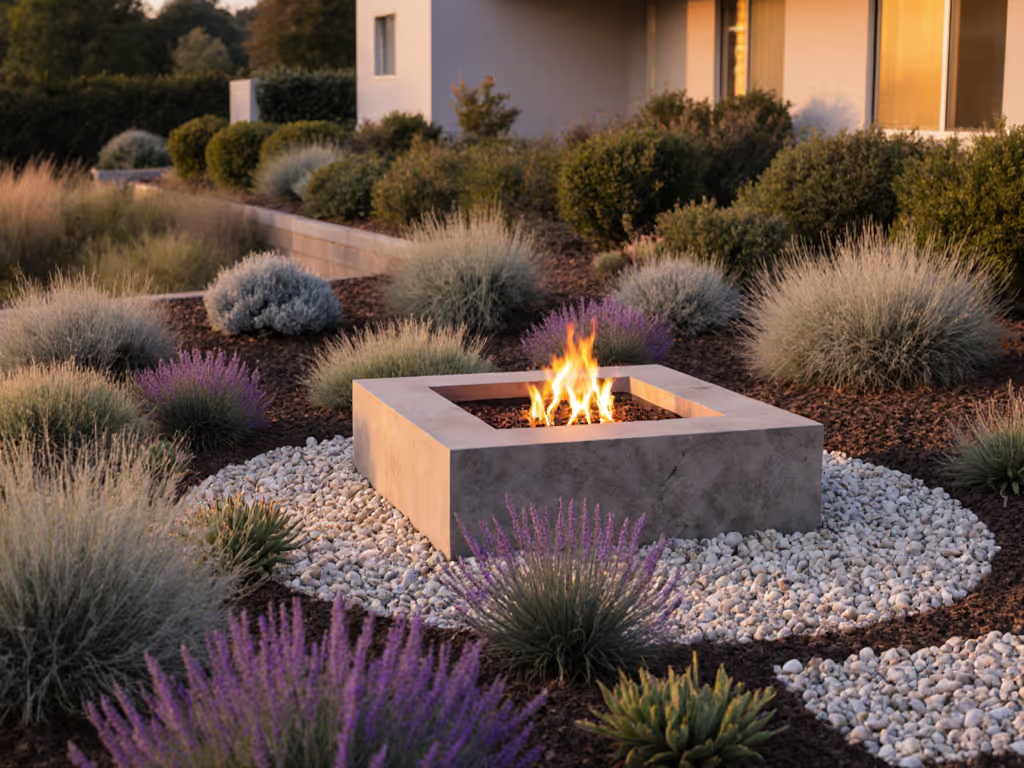
Fire-resistant native-plant fire pit design starts with one simple principle: safety should be invisible in the moment, because it was handled beforehand. When you integrate ideas for backyard fire pit landscaping with defensible space principles, you create an outdoor gathering space that's both compliant and genuinely safe. This guide translates fire-smart standards into actionable steps for homeowners, renters, and HOA-conscious hosts who want to host without worry.
Fire-smart landscaping combines fire-resistant plant selection with strategic spacing and ongoing maintenance to reduce fire risk. It is not simply a well-maintained yard; rather, it concerns the vegetation types and spacing of plants to actively reduce wildfire spread. When applied to fire pit zones, fire-smart principles create a protective perimeter that prevents both ember-triggered incidents and vegetation overgrowth.
The distinction matters: although no plant is 100% fire-resistant, drought-tolerant plants with low flammability (when properly watered and maintained) create substantive barriers. This is especially critical for properties where a permanent or semi-permanent fire feature exists. A condo board once asked me to measure beam temperatures under different pit setups and cross-reference local materials standards. What started as a spreadsheet became a simple chalk-marked checklist. The next cookout was quiet: no hot spots, no warnings, no anxious looks over railings. That's what defensible space feels like in practice.
Fire-smart landscapes organize defensible space into distinct zones, each with specific requirements: For layout inspiration that balances function with flow, see our fire pit layout design guide.
Zone 1 (5-30 feet from structure or fire pit): The Lean, Clean, and Green Zone. This is your primary safety layer. The goal is to reduce heat and flame movement by creating a lean and clean environment with well-irrigated, low-growing plants and ample spacing between them. No combustibles (including mulch, wood debris, and trash cans) should exist within five feet of the home or pit structure. This zone is where you'll place your most maintainable specimens and ensure vertical and horizontal clearance to avoid fire ladders (taller plants catching fire from lower ones).
Zone 2 (30-100 feet to property edge): The Reduce Fuel Zone. This transition area shifts focus to eliminating dense, continuous vegetation both vertically and horizontally. Thin tree canopies to maintain separation between trees, and break up continuous ground cover with hardscaping materials like gravel or permeable stone pathways. The steeper your slope, the wider plants should be spaced.
Zone 0 (Immediate): The Non-Combustible Surround. Within five feet of the pit itself, nothing flammable. Some jurisdictions require a 10-foot safety distance. When in doubt, increase distance.
Fire-resistant plants share specific traits: high moisture content, low resin and oil content, low vertical fuel accumulation, and appropriate growth habit. Native plants, shaped by centuries of coexistence with their environment, offer multiple benefits in fire-adapted gardens. They:
Your choices depend entirely on your climate zone and local rainfall patterns. Research through your regional Fire Safe Council (Fire Safe Marin, Yolo County, etc.) and university extension services to identify recommended native species for your area. General guidance:
Do not assume ornamental cultivars are fire-resistant. A neon-colored ornamental cultivar of a native species may have been bred for denser foliage, making it a fire hazard. For whole-yard planning that blends plant selection with smoke control and paths, explore neighbor-friendly fire pit landscaping.
Poorly maintained landscapes become fire hazards regardless of which plants are grown. Maintenance is not optional; it is the backbone of defensible space. Before each fire season, every property requires reevaluation. Use our seasonal fire pit maintenance calendar to schedule inspections, cleanouts, and tune-ups.
Fire-Smart Pruning Checklist:
Plant California native species in late fall or early winter. During dormancy, cut back and deadhead plants; many native perennials withstand dormant pruning well. Modify watering once plants are established (after 2-5 years), reducing supplemental irrigation and allowing plants to adapt to rainfall patterns.
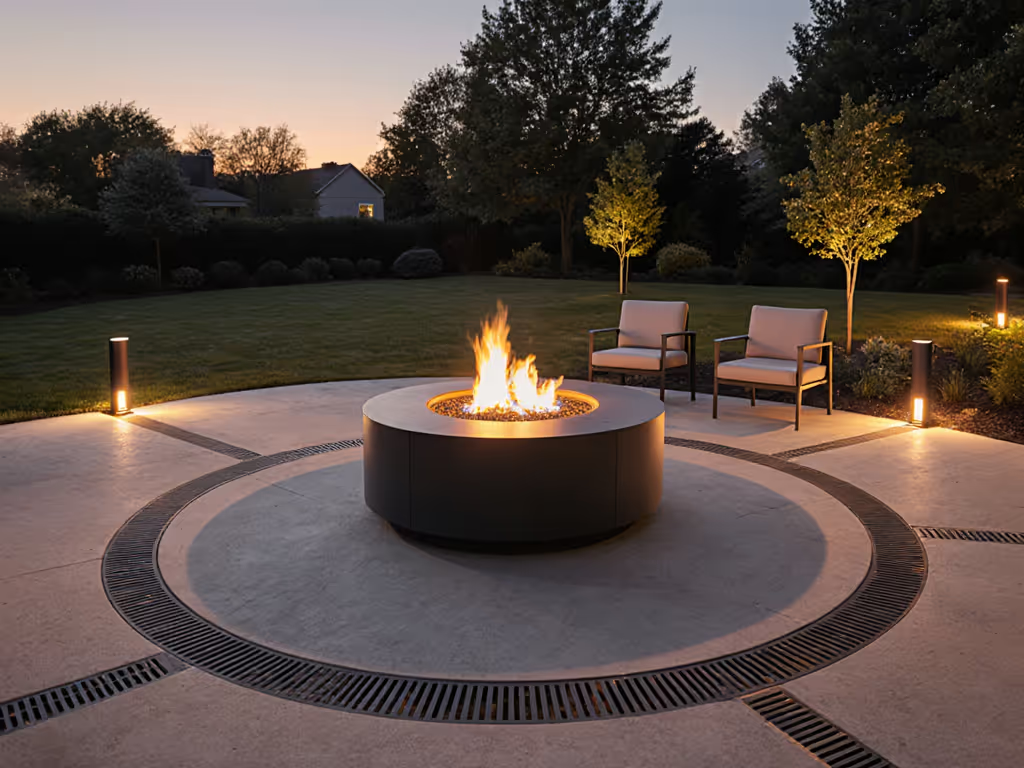
Break up continuous flammable ground cover with non-combustible materials: stone, gravel pathways, permeable pavers, or decomposed granite. These materials accomplish multiple goals: they slow fire spread, allow easy maintenance access, prevent mulch accumulation, and create visual definition between plant islands.
Pre-Installation Phase
Planting Phase
Ongoing Maintenance
Fire Pit Operations
Safe nights start with clearances, lids, and shared expectations. When your landscaping is fire-smart and your fire pit is positioned with defensible space, you can host with confidence. Neighbors notice the difference: a yard that is clearly managed, vegetation that is pruned and spaced appropriately, and a fire feature that operates without visible smoke drift or ember escape. That visible care builds trust far more than any casual reassurance.
Contact your regional Fire Safe Council for species recommendations and local burn regulations. Request a copy of your HOA's fire feature guidelines or the municipal fire code section on open flames and outdoor fires. Consult university extension master gardener programs for maintenance schedules specific to native plants in your zone. Finally, document your compliance efforts (photos of cleared zones, pruning dates, and plant selections) so you can confidently explain your setup to neighbors or an HOA inspector if needed.