Municipal Fire Pit Regulations: Public Space Installation Guide
By Kenji Sato • 3rd Jan
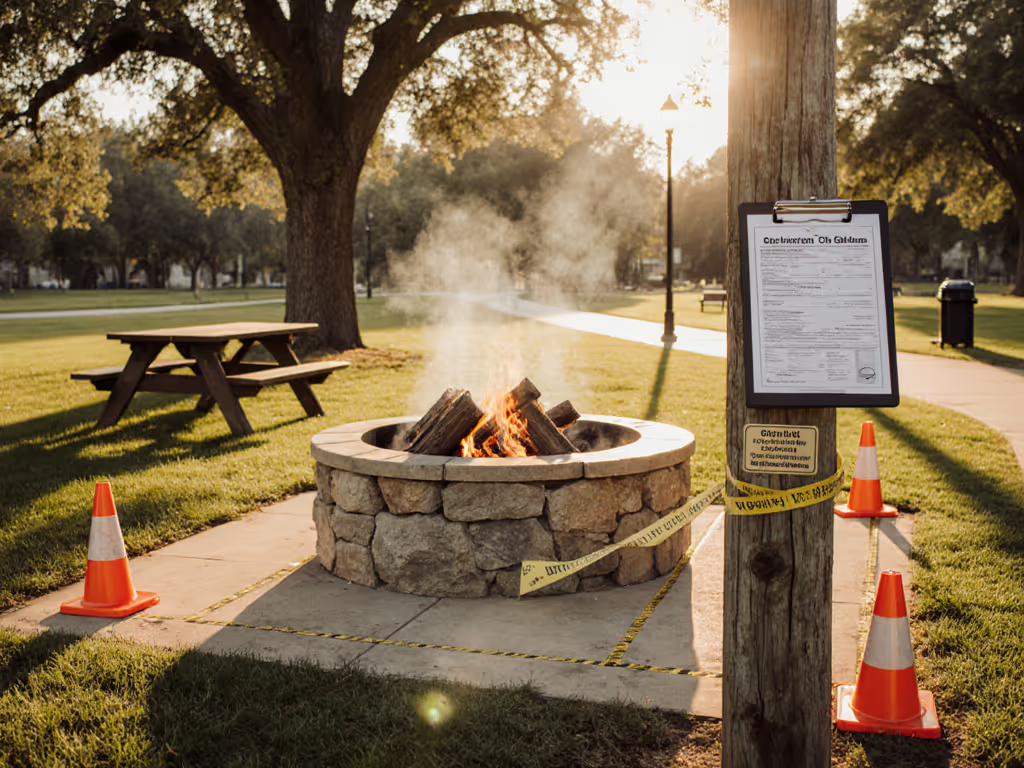
When planning municipal fire pit installations for community parks, neighborhood plazas, or shared HOA amenities, understanding public space fire features regulations is non-negotiable. Unlike backyard installations where personal preferences might dominate discussions, public projects require absolute adherence to clearance standards, fuel restrictions, and documentation protocols. As a detail-focused researcher who cross-checks municipal codes and fire safety manuals, I've seen too many well-intentioned community projects stall due to overlooked clearance requirements or incompatible fuel choices. This step-by-step guide cuts through regulatory ambiguity with actionable, code-compliant pathways for public fire feature implementation.
Step 1: Decode Your Jurisdiction's Regulatory Framework
Municipal fire regulations originate from multiple overlapping sources that public space planners must reconcile. Begin with the California Health and Safety Code as your baseline reference for open burning, then layer in:
- California Air Resources Board (CARB) standards for emissions control
- Local municipal ordinances (often stricter than state minimums)
- National Fire Protection Association (NFPA) guidelines as industry best practices
- Wildland-Urban Interface (WUI) requirements where applicable
Key regulatory checkpoints include:
The burning of wood and other solid fuels is prohibited within a fuel modification zone, Wildland-Urban Interface Area (WUI), or in locations where conditions could cause the spread of fire to the WUI.
Document every requirement with specific code citations. For a broader overview of zoning and legal requirements across states, see our fire pit regulations guide. For example, the City of Corona's Fire Code Section 307.6 mandates 10-foot clearance from combustible structures at R-2 occupancies, while R-3 occupancies (like single-family homes) permit 3-foot clearance under specific conditions. Never assume uniformity (adjacent municipalities often have significantly different requirements). Create a jurisdictional comparison matrix showing:
- Minimum clearance distances (structure, vegetation, property lines)
- Permitted fuel types (wood/propane/natural gas restrictions)
- Burn day/time limitations
- Required safety equipment (spark arresters, extinguishers)
Step 2: Conduct Site-Specific Risk Assessment
Public fire features demand rigorous pre-installation analysis beyond standard residential considerations. Implement this checklist-first approach:
- Clearance verification: Measure actual distances from all potential ignition points to combustible materials using laser distance meters, not visual estimation
- Microclimate analysis: Document prevailing wind patterns affecting smoke dispersion
- Vegetation management: Calculate fuel modification zones requiring defensible space
- Accessibility mapping: Ensure ADA compliance for emergency access around the feature
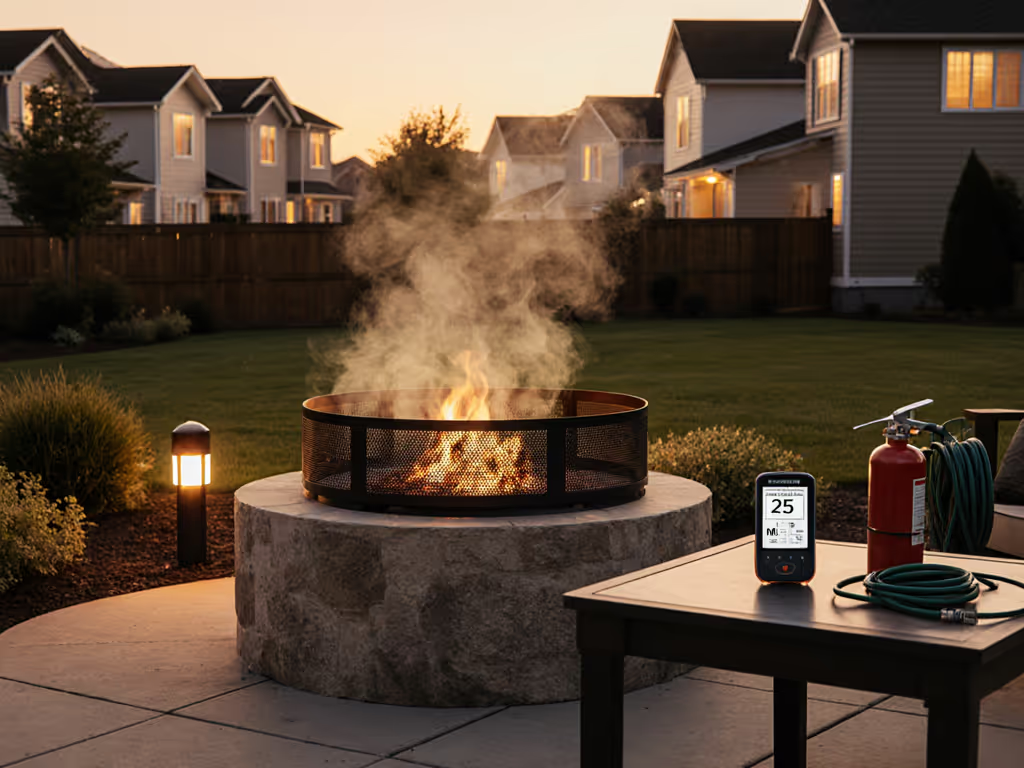
I recall measuring beam temperatures during a condo board consultation where a proposed fire pit location created unexpected radiant heat issues at railing height, something visual inspection alone couldn't detect. Thermal measurements revealed hot spots exceeding 250°F just 18 inches from composite decking, requiring relocation. For baseline expectations on warmth radius and comfort zones, review our heat pattern analysis. Always obtain thermal imaging during the planning phase for compliance with public fire pit regulations beyond minimum clearance requirements.
Step 3: Design Within Regulatory Boundaries
Public space fire features require intentional design compromises that prioritize safety over aesthetics. Consider these if/then advisories:
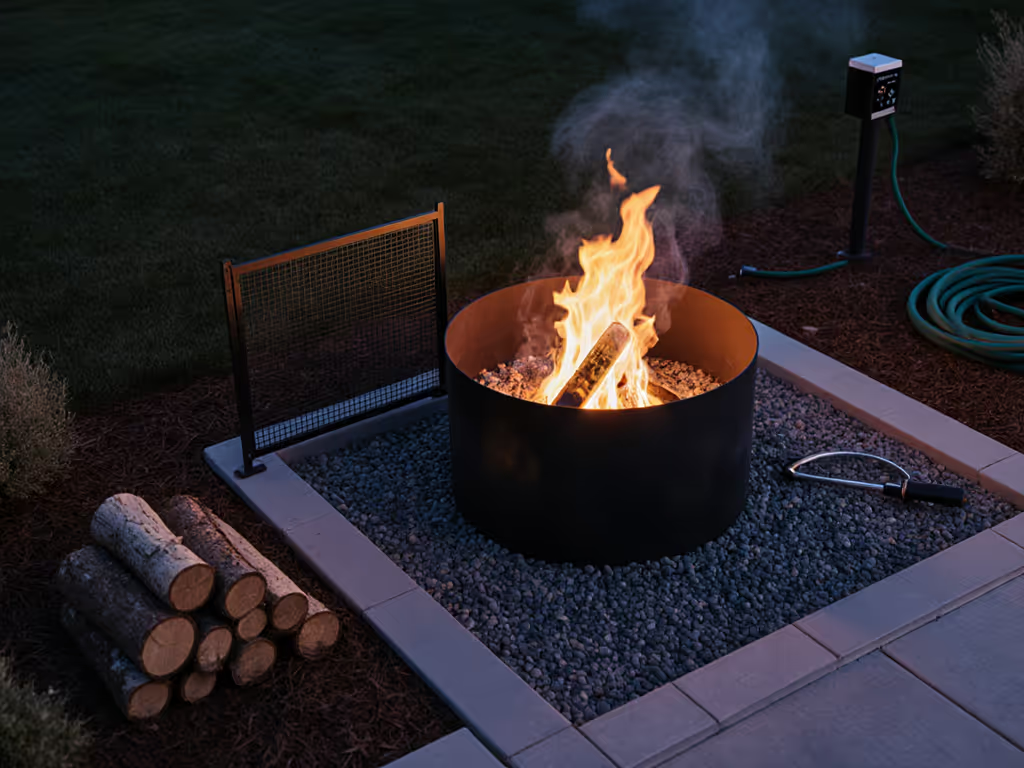
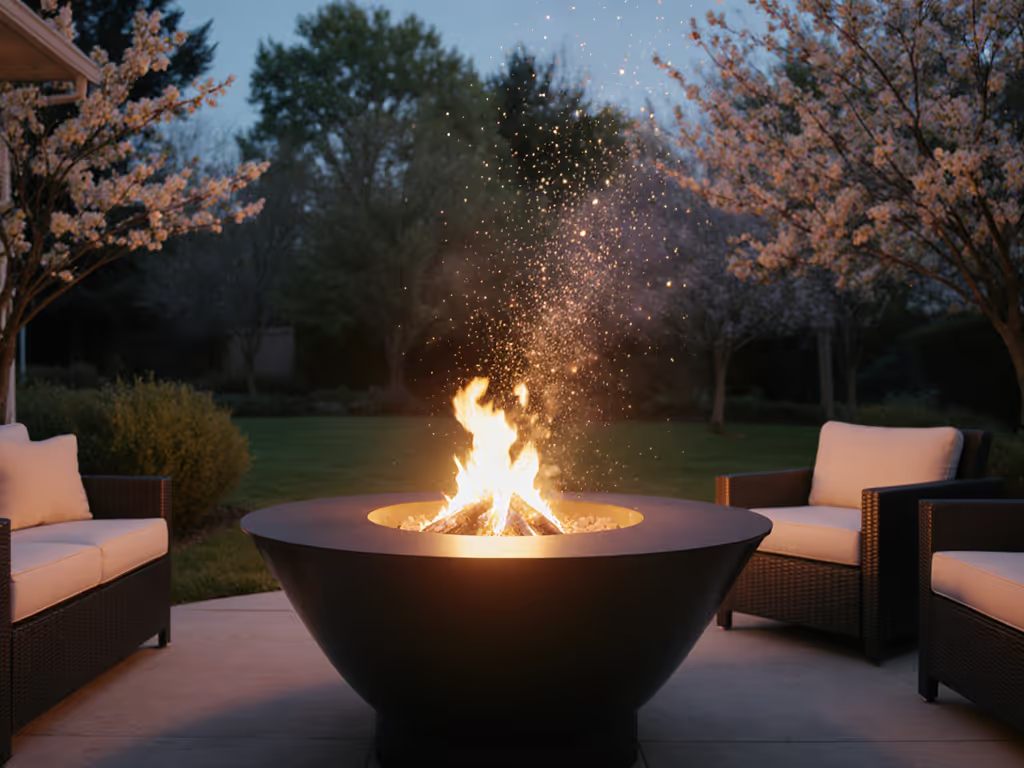
- If installing wood-burning features then incorporate mandatory spark arresters with 1/2" mesh per NFPA 211
- If using gas appliances then specify automatic shutoff valves activated by wind sensors
- If placing near structures then implement double the minimum clearance distance as a buffer
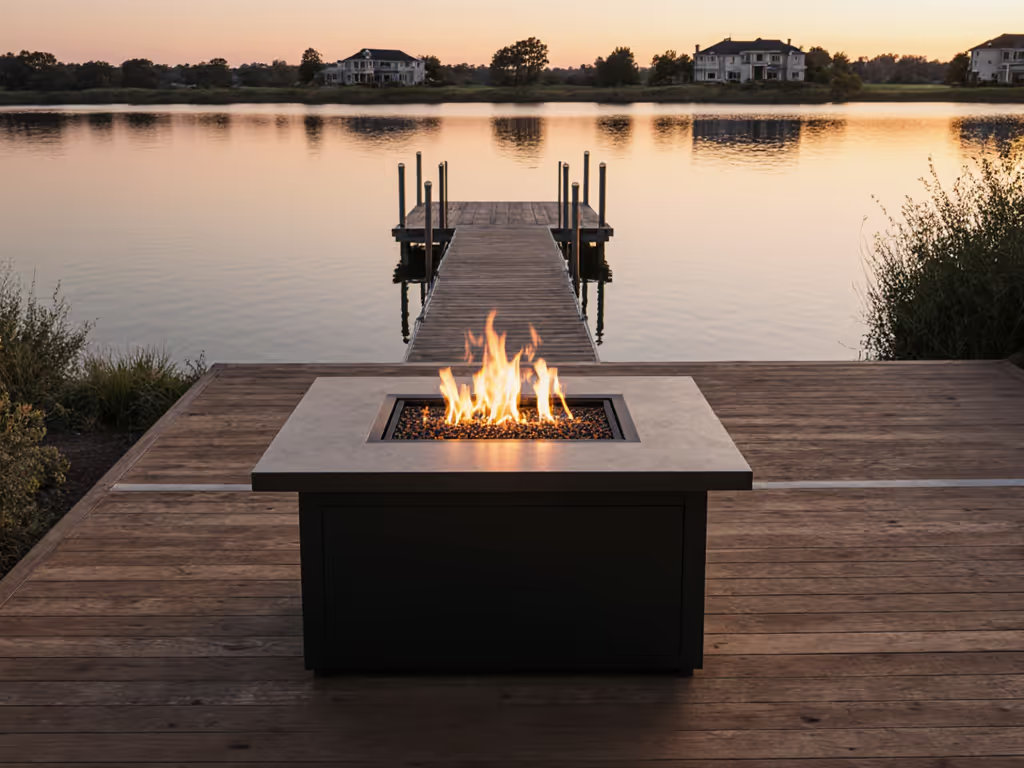
For instance, square fire pit designs often present unique challenges compared to round units, since sharp corners create concentrated heat zones requiring additional clearance from seating areas. Document all design decisions against relevant codes, including:
- Specific section numbers for clearance requirements
- Certified materials lists showing fire resistance ratings
- Wind mitigation strategies approved by the local fire department
Never allow aesthetic preferences to override safety parameters. When a community wanted a dramatic double-height fire column under a pergola, structural analysis revealed it would violate the 10-foot clearance rule from combustible roof materials, requiring redesign before installation could proceed.
Step 4: Document Compliance Verification Process
Municipal projects require auditable proof of regulatory adherence. Implement this verification workflow:
- Pre-installation: Submit detailed site plans showing measurements to all clearance points
- During installation: Document material certifications and safety feature installations
- Post-installation: Conduct thermal imaging verification and clearance re-measurement
- Ongoing: Maintain municipal fire pit maintenance logs showing:
- Monthly clearance zone inspections
- Quarterly safety equipment verification
- Annual thermal imaging assessments
"Safe nights start with clearances, lids, and shared expectations" - this principle means documenting not just physical installations but operational protocols. To plan upkeep and inspections across the year, use our seasonal maintenance calendar. Community associations must establish clear user guidelines that address proper operation, emergency shutdown procedures, and seasonal restrictions.
Step 5: Implement Risk-Controlled Operational Protocols
Public fire features require more than just proper installation, they demand systematic operational controls. Your protocol must address:
- Burn day verification: Integration with local air quality district reporting systems
- Wind speed monitoring: Automatic shutdown triggers at 15+ mph
- Fuel management: Strict prohibition of uncertified fuels or accelerants
- User behavior controls: Enforced seating radius and supervision requirements
Reference burn restrictions from CAL FIRE's real-time status map showing large wildfires and current fire restrictions. Public spaces must establish clear protocols for immediate shutdown during Red Flag warnings or elevated AQI readings. If your site is in a wildfire-prone region, follow our wildfire safety guide for ember control and burn restrictions. Build these triggers into staff checklists and training.
Safety That Fades Into the Background
The most successful public fire installations disappear into the ambiance because every risk was addressed before ignition. When clearances are verified, materials certified, and operational protocols established, communities enjoy warmth without worry: no anxious glances at neighboring properties, no sudden shutdowns, no regulatory citations. Safety that fades into the background isn't absence of risk management; it's evidence of thorough preparation.
For those managing HOAs, city parks departments, or community associations, the next step requires careful documentation review against your specific municipality's code. Download your local fire code's outdoor burning section and cross-reference it with CARB's latest emissions standards. The difference between a complaint-free community gathering spot and a regulatory nightmare often comes down to one overlooked clearance measurement or undocumented fuel restriction.
Public space fire features can become cherished community assets when grounded in meticulous code compliance. Take the necessary time to verify every requirement against your specific jurisdiction, because your community's safety and enjoyment depends on it.
Related Articles
Safety & Regulations
Clinical Fire Therapy: Evidence-Based Protocols for Therapists
6th Jan•6 min read