Pollen Season Fire Pits: Reduce Allergy Triggers
By Amina Diallo • 19th Feb
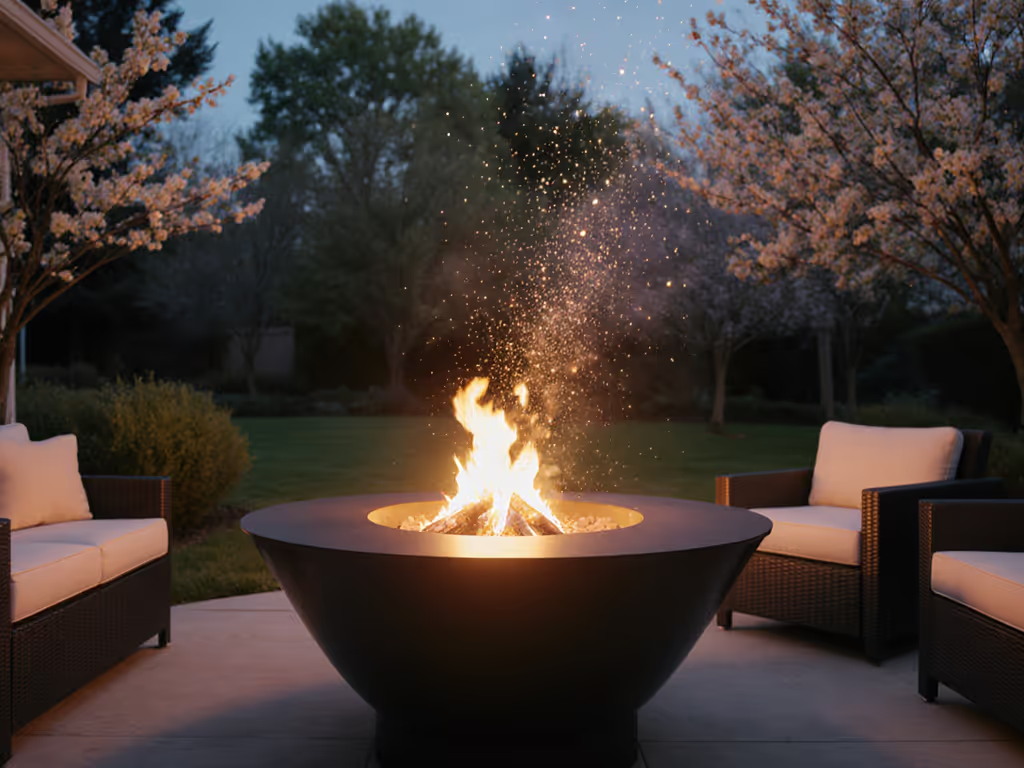
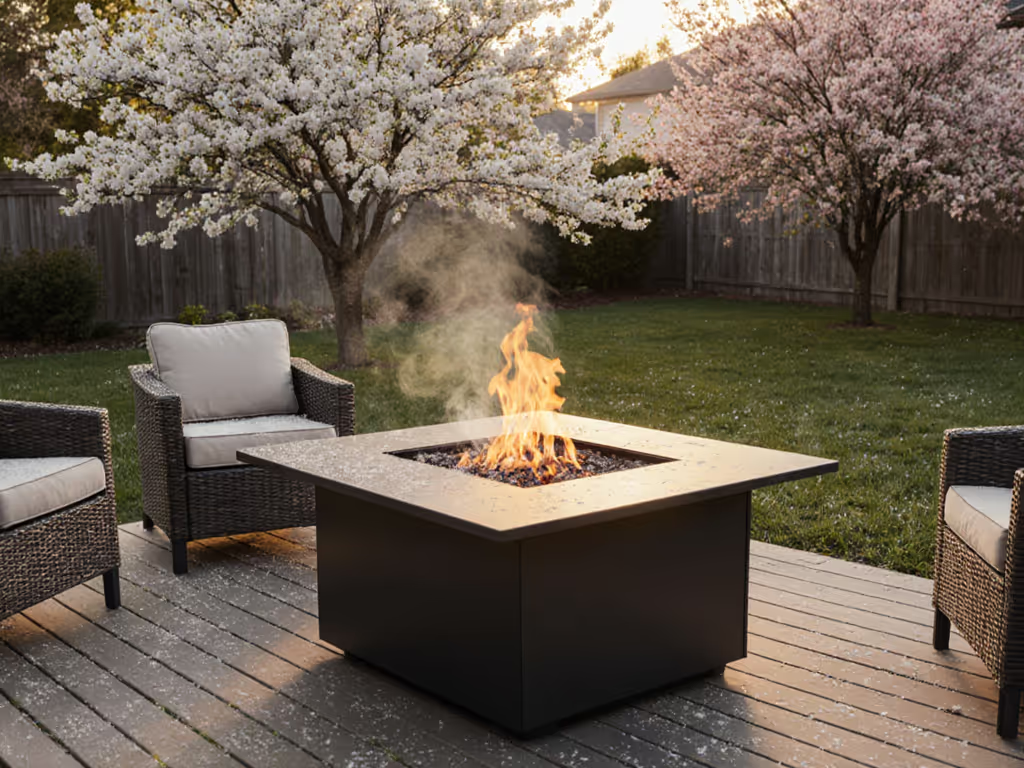
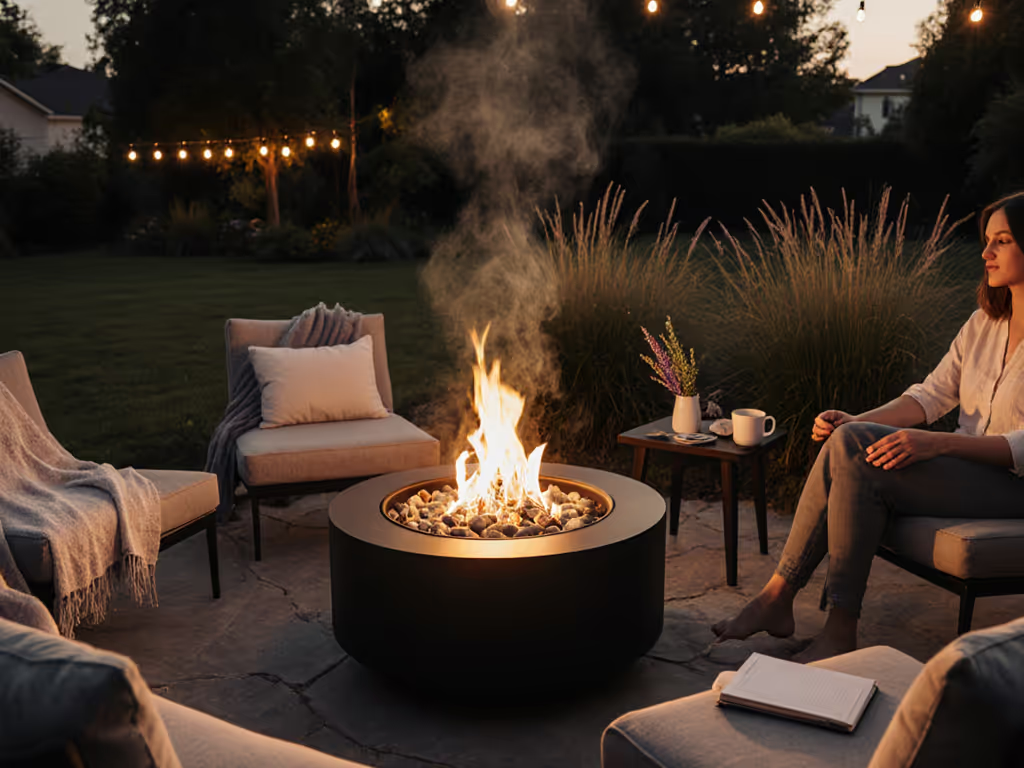
You've invited friends for an evening gathering, the patio is set, and you're ready to light the fire pit during allergy season... or are you? If you or your guests manage allergies or asthma, hosting during high-pollen months while running a fire pit isn't just a comfort question. It's a respiratory math problem. Understanding how pollen season fire pit smoke compounds existing allergies is the first step to being a thoughtful host without giving up the ambiance you've invested in.
Why Fire Pits and Allergy Season Don't Mix
Does a fire pit actually make allergies worse?
Yes, dramatically. During pollen season, your guests are already breathing elevated levels of tree, grass, or ragweed pollen depending on your region. When you light a fire pit, you're layering a second respiratory irritant on top: fine particulate matter (PM2.5) from combustion.
Here's the cause and effect: Wood smoke contains microscopic particles that bypass the body's natural defenses and penetrate deep into the lungs. These particles accumulate in lung tissue, creating inflammation. For someone managing seasonal pollen allergies, this is a compounding exposure. Their airways are already irritated, inflamed, and hyperresponsive (a state called allergic sensitization). Research on firefighters exposed to repeated smoke inhalation demonstrates that acute smoke exposure significantly augments airway and systemic inflammation in people with baseline allergic conditions. The same principle applies to your guests sitting downwind of a backyard fire.
People with diagnosed asthma face even sharper risk. Combustion pollutants from wood, gas grills, and fire pits are recognized asthma triggers. The result? Chest tightness, wheezing, cough, and shortness of breath — often hours after exposure, when they're home and you're cleaning up.
FAQ: Real Hosting Dilemmas
Can I still use my fire pit if I'm careful about placement?
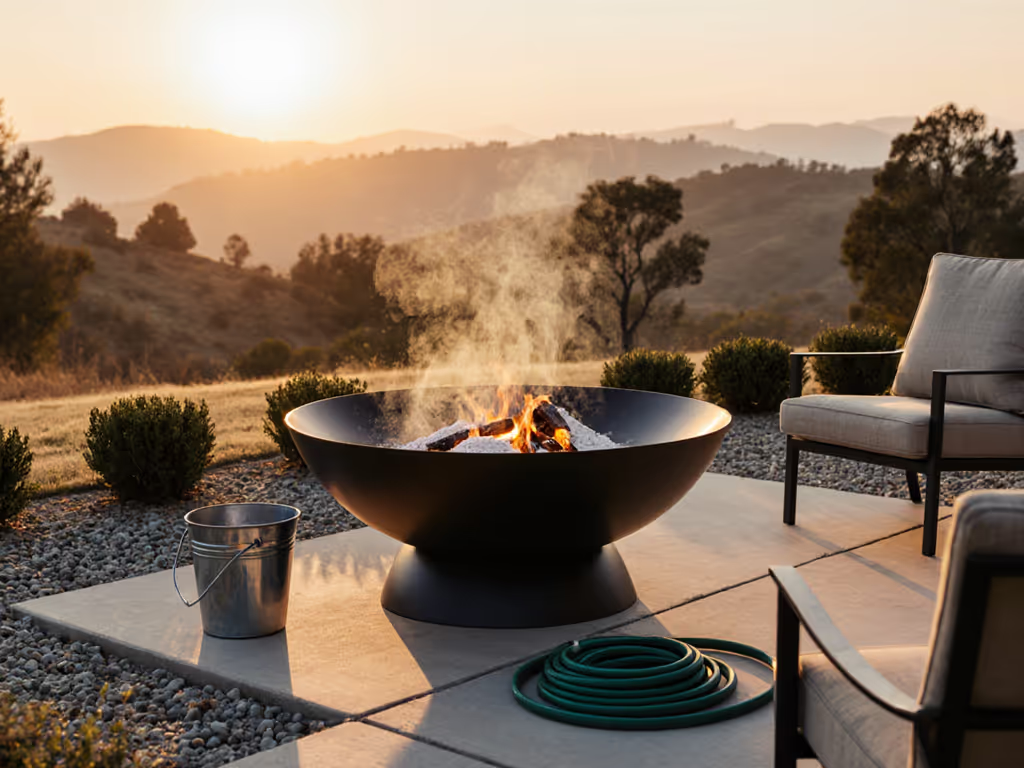
Placement helps, but it's not a cure. If you're hosting, position the fire pit as far as possible from where guests will gather. That said, recognize the limits. For placement fundamentals and clearances, see our fire pit safety distance guide. In a small courtyard, dense neighborhood, or when wind shifts, smoke recirculation is inevitable. Windless conditions are particularly problematic (smoke pools at ground level rather than dispersing upward).
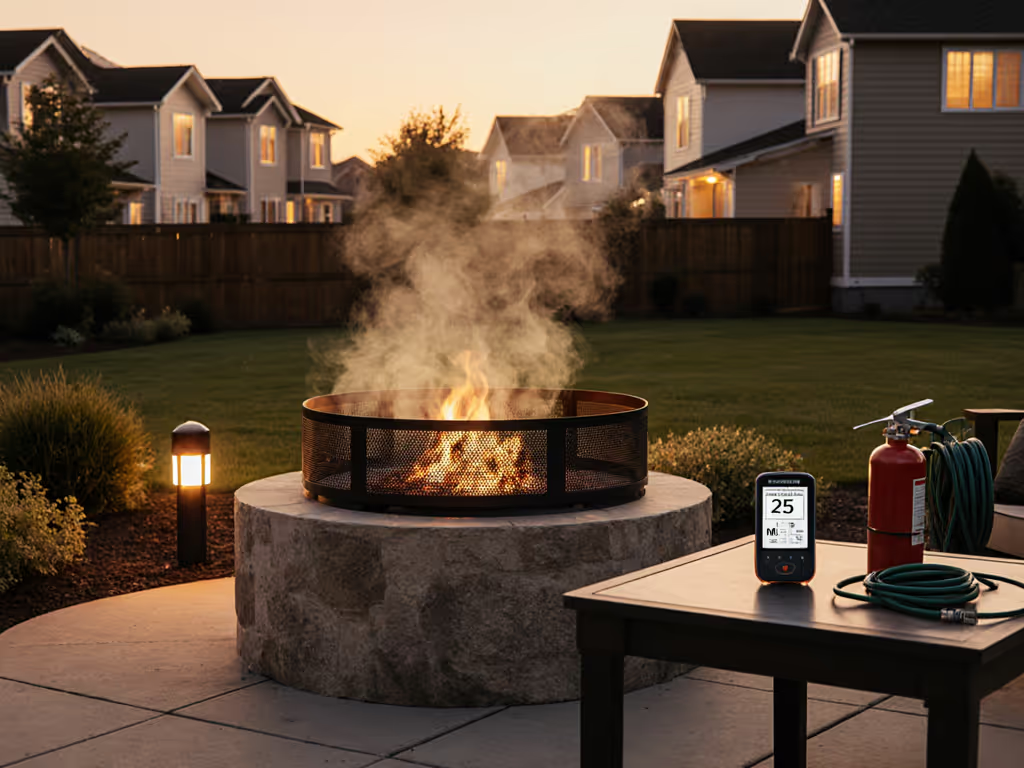
Here's what low-cost air sensors reveal: even a "downwind" position doesn't guarantee safe PM2.5 levels for sensitive guests. I've traced smoke leaving a courtyard using two simple sensors and a fan; the dispersion curve told the story. Small tweaks to fuel load and startup kindling dropped PM2.5 dramatically, but position alone without fuel discipline is theater.
What's the difference between wood smoke and gas fire pit smoke?
Both pose problems, though the mechanism differs. Wood combustion releases coarse and fine particulate matter, volatile organic compounds, and carbon monoxide. Gas burners produce fewer particles but still emit combustion pollutants and heat-driven convection that can stir up pollen and irritate airways, especially in people with reactive lung disease. If you're debating fuel type, start with our wood vs gas fire pit comparison.
Neither is truly "smokeless" if you're hosting someone with active allergies or asthma during pollen season.
If a guest has asthma, what should I actually do?
There are three honest answers:
-
Postpone or move indoors. During peak pollen + peak fire season overlap, consider moving conversation and warmth indoors or to a covered shelter without an open flame. This isn't failure; it's neighbor empathy applied to your actual guests.
-
Skip the fire pit entirely if sensitive guests are present. A heating lamp, outdoor heater, or warm blankets provide ambiance and comfort without respiratory compromise. Neighbors breathe your choices, and so do guests who stay in your home.
-
Test before you host. If you're committed to both a fire and sensitive guests, run a small trial burn on a calm day. Measure PM2.5 at the intended seating areas using a low-cost sensor (widely available, ~$100-$300). Know your baseline before inviting someone whose lungs can't afford guesswork.
What symptoms should I watch for in guests?
Immediate short-term effects include burning eyes, nose, and throat, watery eyes, runny nose, coughing, and shortness of breath — regardless of whether the person has diagnosed asthma. These are inflammatory responses. Your body is telling you smoke exposure is occurring. Even healthy adults may experience wheezing or restricted breathing.
For guests with allergies or asthma, watch for chest tightness, increased sputum production, and wheezing during or shortly after the event. If someone excuses themselves to use their inhaler, that's not a minor moment — that's your fire pit triggering an acute response.
What about firewood type? Does burning hardwood instead of softwood help?
Not meaningfully. Some wood types (like mesquite) may trigger allergic reactions in pollen-sensitive people due to the specific pollen compounds in the wood itself, but the PM2.5 problem is universal. Any wood burn releases fine particles. Damp or overloaded wood burns dirtier and smokes more, but properly seasoned hardwood still produces measurable particulate matter that triggers asthma and compounds seasonal allergies.
The fundamental issue isn't wood type; it's combustion itself.
Is there a pollen-allergy-friendly way to use a fire pit?
Honestly: the most responsible approach is situational awareness. Check the local air quality index (AQI) and pollen forecast before hosting. If either is elevated, consider postponing or choosing an alternative ambiance. Some regions and dates simply aren't aligned with safe open burning. If you still want flame with lower emissions, review our smokeless fire pits tested for sensitive users and note their limits during high-pollen days.
If conditions are moderate and your guests are without respiratory sensitivities, you can reduce risk by:
- Maximize distance. Place the pit upwind and far from seating when possible.
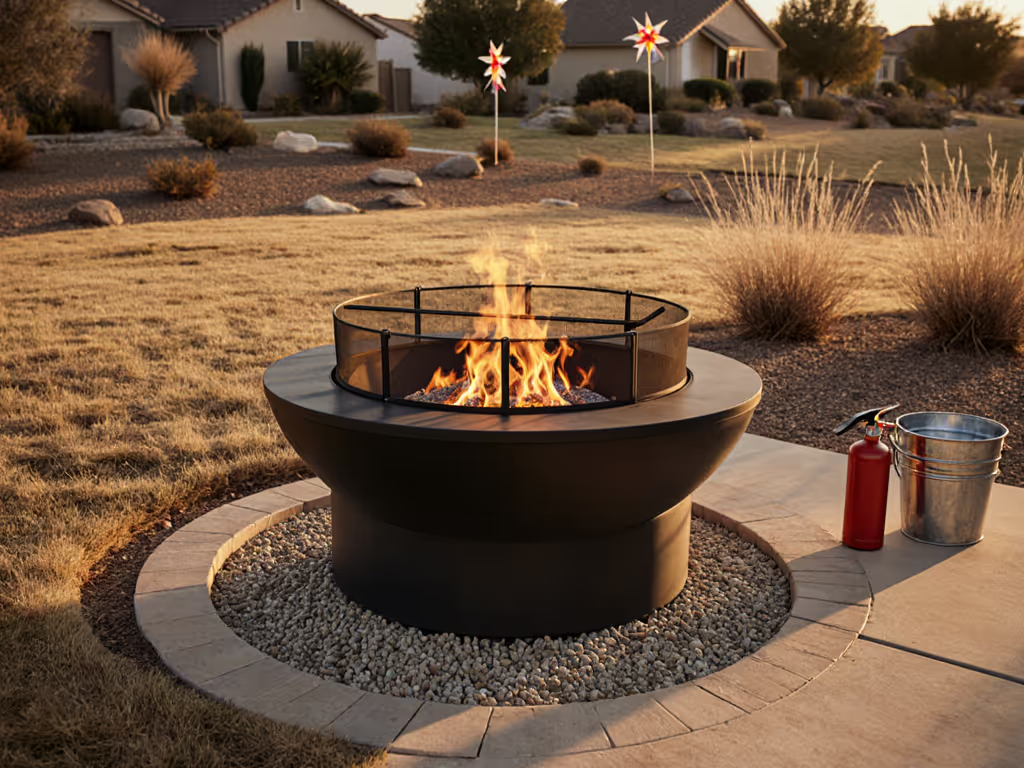
- Manage fuel discipline. Use fully seasoned wood, load conservatively, and avoid heavy kindling that smokes during startup. A clean, hot burn disperses better than a cool, smoky one. Simple add-ons like wind guards and spark screens are compared in our fire pit accessories guide.
- Plan timing. Evening hosting (after pollen counts drop) is slightly better than afternoon gatherings during peak pollen hours.
- Offer alternatives. Have a backup plan: move indoors, use a gas heater, or provide alternative seating in a smoke-free zone.
Neighbors breathe your choices. When pollen season peaks and allergies are active, the most generous form of hospitality is acknowledging that open fire and sensitive lungs don't coexist safely.
Can I just warn guests beforehand and let them decide?
You can and should. Transparency matters. But don't position it as "you're welcome to sit in smoke," because that places the burden of protection on someone managing a medical condition. Instead, be specific: "I'm lighting a fire pit tonight. If you manage asthma or seasonal allergies, I have a covered, unheated seating area as an alternative, or I can provide a space heater so you can join the conversation without smoke exposure."
That's not killing the vibe — that's running a considerate gathering.
When to Skip the Fire Pit Altogether
During peak pollen season in your region (typically spring and fall, depending on your local flora), if you have guests with:
- Diagnosed asthma
- Severe seasonal allergies
- COPD or other reactive airway conditions
- Children or elderly family members with respiratory sensitivity
Consider alternatives. Modern outdoor heating (electric or propane heaters, heat lamps, infrared patio systems) provides warmth without combustion. The trade-off is accepting that open-flame ambiance may conflict with respiratory hospitality during high-risk months.
Further Exploration
Before your next gathering, assess three data points: your local pollen forecast, the regional air quality index, and whether your guests have disclosed respiratory sensitivities. Cross-reference those against your fire pit plans. If all three are low or clear, proceed with fuel discipline and downwind placement. If any is elevated, pause and choose an alternative.
Cleaner burns travel farther than apologies, and so does the smoke from ones that aren't. Host with data, not assumptions.
Related Articles